Conference Day Two: Wednesday, 16 November 2016
08:30 - 09:00 Registration and Welcome Coffee
09:00 - 09:10 Opening Remarks from the Conference Chair

09:10 - 09:50 Reviewing evidence at the Great Barrier Reef: Dredging material and its impact on the environment
- Outlining the process of water and sediment quality assessment
- Examining the effects of dredging material in off-shore disposal sites
- Reviewing the guidelines and frameworks for assessing environmental impact
09:50 - 10:30 Panel Discussion: Maintaining sound relationships with regulators to improve upper management confidence in dredging applications
- Exploring strategies for building a relationship between regulators and management before disputes arise
- Establishing constructive mediation between project management and regulators early in the project
- Keeping channels of communication open during the assessment of dredging projects

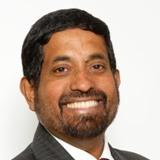
Dr Neil Tripodi
Principal Scientist, Water Assessment and SystemsDepartment of Science, Information Technology and Innovation (QLD)
10:30 - 11:00 Morning Tea and Networking
11:00 - 23:40 Dredging of Acid Sulphate Soil (ASS) sediments and associated dredge material management: Assessment frameworks and ASS Management Plans
- Reviewing the occurrence, risks, liabilities and policies surrounding dredge material management
- Overviewing the characterisation of sediments and the risk assessments they require
- Assessing the characterisation of disposal sites and their monitoring
23:40 - 12:20 From dredging spoil to dredging material: Educating communities to reduce public misconceptions
- Resolving any technical or environmental misapprehensions stakeholders may have about dredging
- How to identify and prioritise key misconceptions to resolve potentially misguided disputes during the approval process for a dredging project
- Creating a platform to discuss beneficial uses of dredging and reclamation

12:20 - 13:00 Reviewing the dredging and reclamation of Wiggins Island Coal Terminal
Discussing the method of reclamation over tidal flats
Outlining the beneficial re-use of dredged material
Exploring the future for disposal and dredged materials in Queensland
Outlining the beneficial re-use of dredged material
Exploring the future for disposal and dredged materials in Queensland
13:00 - 14:00 Networking Lunch
14:00 - 14:40 Managing the commercial risks of dredging to improve lead time and reduce lost costs
- Conducting thorough site investigation by investing enough capital in the initial procedures
- Understanding contractual obligations between vendor and customer
- How to follow-through after non-compliance in order to prevent repeat incidents occurring

14:40 - 15:10 Panel Discussion: The future of dredging in Australia and the potential uses of dredge material
Moderator:
Dr Adam Cohen Managing Director Australasian Marine Associates
Speakers:
Ben King Company Director CQG Consulting
Dr Neil Tripodi Principal Scientist, Water Assessment and Systems Department of Science, Information Technology and Innovation (QLD)
Kerynne Birch Manager, Coastal and Marine Assessments Department of Environment and Heritage Protection (QLD)
Dr Adam Cohen Managing Director Australasian Marine Associates
Speakers:
Ben King Company Director CQG Consulting
Dr Neil Tripodi Principal Scientist, Water Assessment and Systems Department of Science, Information Technology and Innovation (QLD)
Kerynne Birch Manager, Coastal and Marine Assessments Department of Environment and Heritage Protection (QLD)
- The need for dredging and dredge material for flood management using dykes, break walls and embankments
- The installation of off-shore wind-farms using dredge technology
- Examining the types of future regulation that will govern capital, maintenance dredging and disposal options
- The potential use of dredging activity for environmental enhancement e.g. intertidal areas and sea grass meadows

Dr Neil Tripodi
Principal Scientist, Water Assessment and SystemsDepartment of Science, Information Technology and Innovation (QLD)

Kerynne Birch
Manager, Coastal and Marine AssessmentsDepartment of Environment and Heritage Protection (QLD)